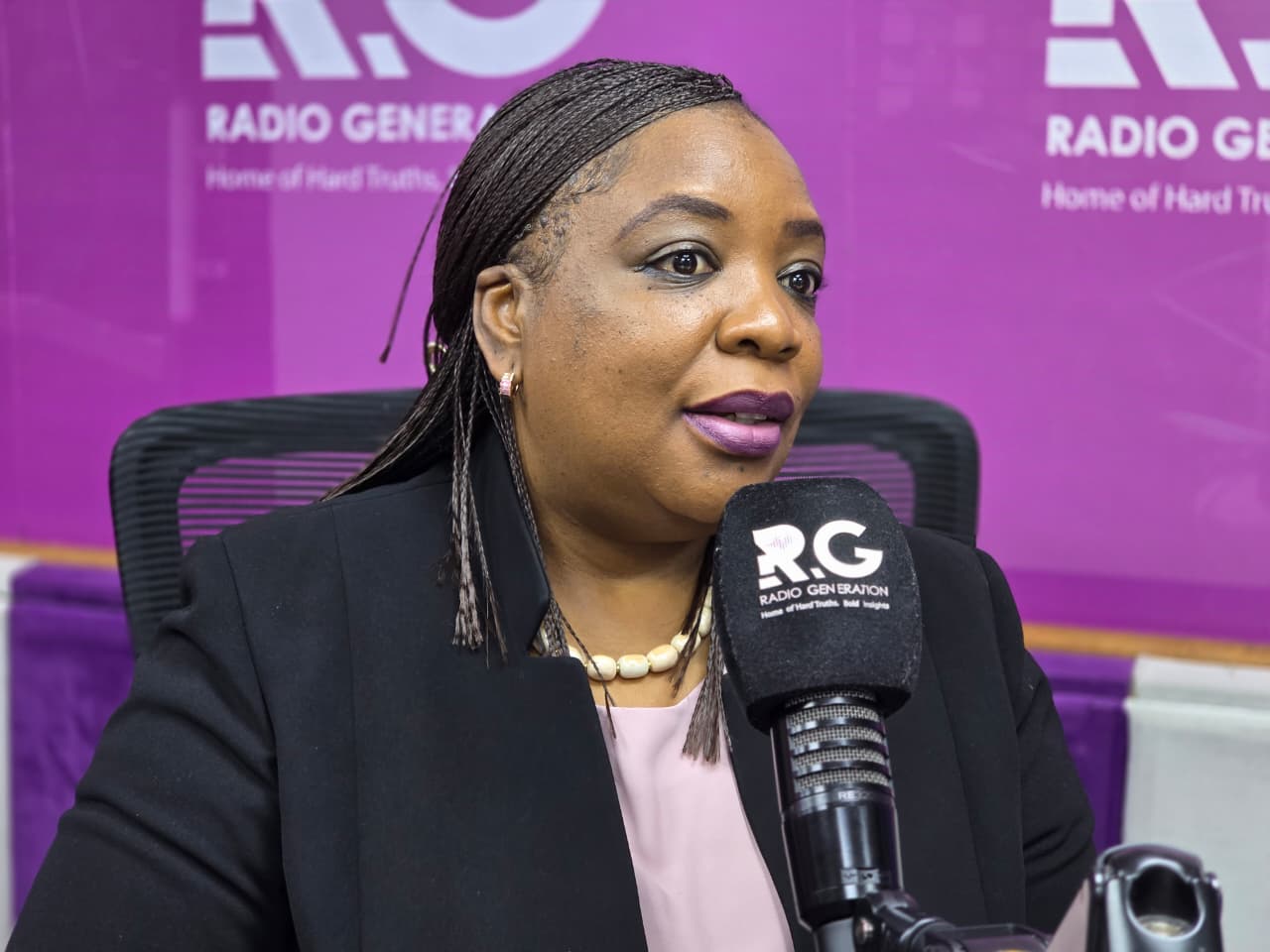
Chairperson of Kenya Power and Lighting Company Joy Mdivo has raised alarm over the growing danger posed by illegal electricity connections, warning that the practice is silently costing lives in informal settlements.
Speaking during a Radio Generation interview on Tuesday, Mdivo said unsafe and unregulated wiring has created a hidden crisis, where electrocutions and injuries often go unreported because those affected fear exposing their illegal connections. She described the situation as a serious urban safety problem affecting vulnerable communities.
She said many residents turn to unsafe connections due to limited access to formal electricity, exposing themselves to high-voltage risks without proper safeguards.
“On the high voltage line, there’s so many guys in informal settlements who get electrocuted, kids die, and they don’t report those ones,” she said. “Because they know what they’re doing is illegal, they can’t report it to the cops.”
Mdivo noted that the illegal supply chains are often controlled by cartels who not only compromise safety but also exploit households financially. According to her, families connected through such networks end up paying far more for poor and unstable electricity.
“Those guys are paying almost three times more for power than what they consume,” she said, adding that such systems are unreliable and limit usage. “They can’t even iron, once you iron, it trips.”
She warned that most of the infrastructure used in illegal connections is substandard, poorly installed, and overloaded, raising the risk of electrocution and fires in densely populated areas.
“It’s very risky because that thing, if it lands on your roof, your entire house is electrified and you’re dead,” she warned.
Mdivo cited a tragic case where a fallen live wire led to the deaths of a mother and her child. The child was electrocuted while trying to check what had happened, and the mother was also electrocuted while attempting a rescue.
“When it fell, one of the children went to try and find out what’s going on, she was electrocuted. The mother tried to save the child, and the mother was also electrocuted,” she said.
She explained that addressing illegal connections is complex, especially in areas where entire neighbourhoods rely on unauthorised networks. Regularising supply often requires dismantling the existing system and rebuilding it to meet safety standards.
“To regularise is not a matter of fill this form,” she explained. “It’s a matter of taking it down and putting it back up again because of standards and quality.”
This process can trigger resistance, as some residents are unaware that their electricity supply is illegal until it is disconnected.
“If I move into a neighbourhood and there is power, then one day there is no power, I’ll be like, ‘we had power,’” she said.
The utility continues to face heavy financial losses linked to illegal connections, theft, and system inefficiencies. Reports show that billions of shillings are lost annually, with some regions recording losses of over Sh200 million every month.
System losses stood at about 21.2 percent in the year to June 2025, still above the level recommended by the regulator. In previous periods, the losses have exceeded 24 percent, largely driven by power theft and meter tampering. Estimates indicate that about Sh6 billion is lost each year through such challenges.
In response, Kenya Power has stepped up efforts to curb the problem through both technical upgrades and enforcement. The company is rolling out smart meters to improve billing accuracy and reduce theft, while also upgrading ageing transmission lines and modernising the grid.
The government has also allocated about Sh500 million to help regularise connections in informal settlements, where unsafe wiring has been linked to deadly fires and electrocutions.
Mdivo acknowledged that the problem is worsened by rogue technicians and contractors who facilitate illegal connections, leaving residents exposed and confused about the legality of their supply.
“You call like a power back guy, and he comes and connects you, then one day somebody comes and tells you your line is illegal,” she said.
She added that illegal connections pose wider risks to the power network, including fires and system failures, which could expose the utility to liability if not addressed.
“I would be liable if anything happens and there was a fire,” she said. “If it was an illegal connection, I will not sign off on it.”
Mdivo called for stronger public awareness on electrical safety, noting that many deaths occur because people do not know how to respond during emergencies.
“In case of an electrocution, you have a few seconds where you can do something, but we haven’t done it enough,” she said.
She urged renewed focus on safety education, saying communities need better knowledge on how to handle electrical risks.
“We need public safety awareness, people don’t know what to do,” she said.
She concluded by urging residents to work with authorities to formalise their electricity connections and avoid the dangers tied to illegal supply.